Fall Term Roundup
Our students have been hard at work across disciplines, producing projects that showcase their creativity, critical thinking, and deep engagement with course material. Take a look at some work that demonstrates the incredible range and depth of learning this term!
History & Philosophy
This fall, history courses ranged from US and World History to Advanced Topics in European History, each challenging students to think critically about the past and its relevance today—in cool ways.
Mrs. Zwoyer, for example, piloted a case‑study method in US History, asking students to step into the shoes of historical figures. In one assignment, students wrestled with Martin Luther King Jr.’s dilemma during the Selma campaign, weighing legal, moral, and strategic choices. Saanvi K.’s reflection showed how nonviolent action exposed ongoing disenfranchisement and helped secure voting rights legislation. This process and analysis reminds us that history is about courage and context, not just dates.
In Advanced Topics in European History, Ms. Lemieux designed a final project for Logan B., a competitive equestrian, who traced how horses shaped European life from the 1500s to the mid‑1900s. Logan's work highlights how curiosity and personal passion can transform assignments into powerful learning experiences.

Mathematics
This fall, math was our biggest area of study, with more courses offered than any other discipline. Students tackled everything from pre‑algebra to linear algebra, with plenty of calculus and other courses in between.

Science
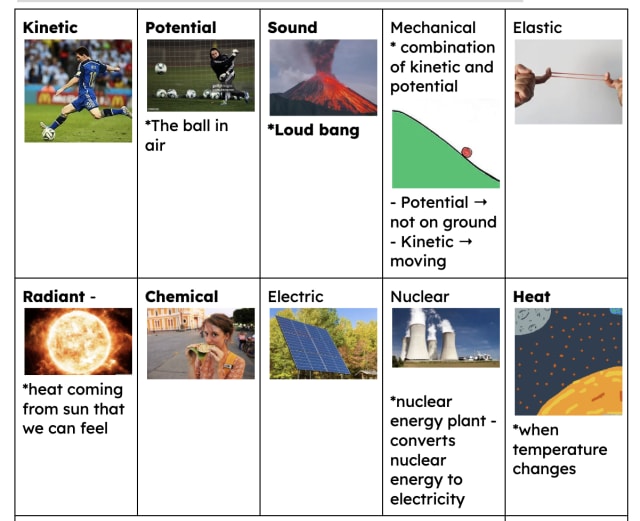
In science, middle schoolers investigated energy in everyday life, Biology classes examined ecosystems and genetics, and Physics students tackled advanced questions of motion and forces. Psychology courses added another dimension, inviting students to study how the mind works, from perception to behavior. Across all these disciplines, the focus was on connecting theory with lived experience, seeing how science explains the forces that impact our lives.
World Languages
This fall, students immersed themselves in French, Spanish, Latin, and Mandarin, with each course offering unique ways to explore language and culture.

Writing & Literature
This term, English classes invited students to wrestle with big questions through a wide range of texts—from classics like Hamlet and Kafka's Metamorphosis to contemporary works such as There There and Everything I Never Told You. Across these courses, students explored themes of identity, society, and self‑discovery, while honing their voices as writers and thinkers.
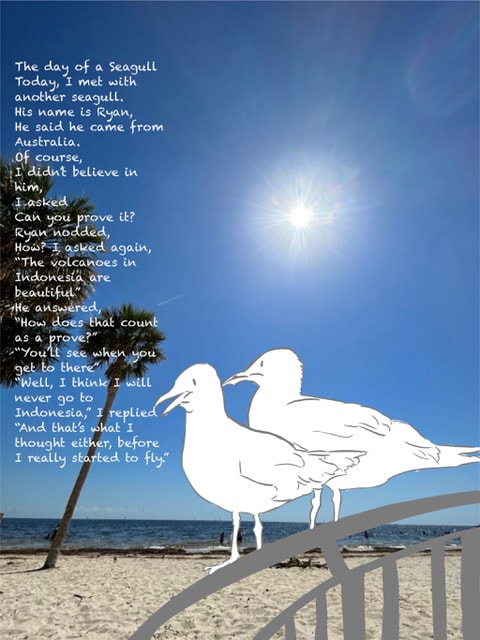
That spirit carried into Power of the Pen, where students read The Little Prince and then crafted children’s stories or poems inspired by its themes. Hailey L. transformed a simple conversation between seagulls into a reflection on discovery, imagination, and the courage to take leaps into the unknown. Just as the assignment intended, her poem asks us to consider: how can one turn the ordinary into the extraordinary?


.jpg&command_2=resize&height_2=85 "🎓 Class of 2026: Commencement Speaker!")


-8.jpg&command_2=resize&height_2=85 "Riffs and Rising Talent: Theo's Musical Journey")




.jpeg&command_2=resize&height_2=85 "From Coding to Choreography: A Self-Made Path")