Life through the Lens of a Nature Lover
Some students may be inclined to reach for a snack or open their phone to scroll after logging off from class, but not Molly G, ‘26. She reaches for her telescope.
Start with curiosity rather than high expectations.
A senior in the throes of college application season with a full load of Advanced Topics courses, Molly has found an unexpected rhythm in her days–one that begins not with a textbook or screen, but with a breath of fresh air and birdsong. “I cycle around my local lake almost every morning,” she says, remarking that it’s a great way to wake up her mind and body and see the world before it gets busy.
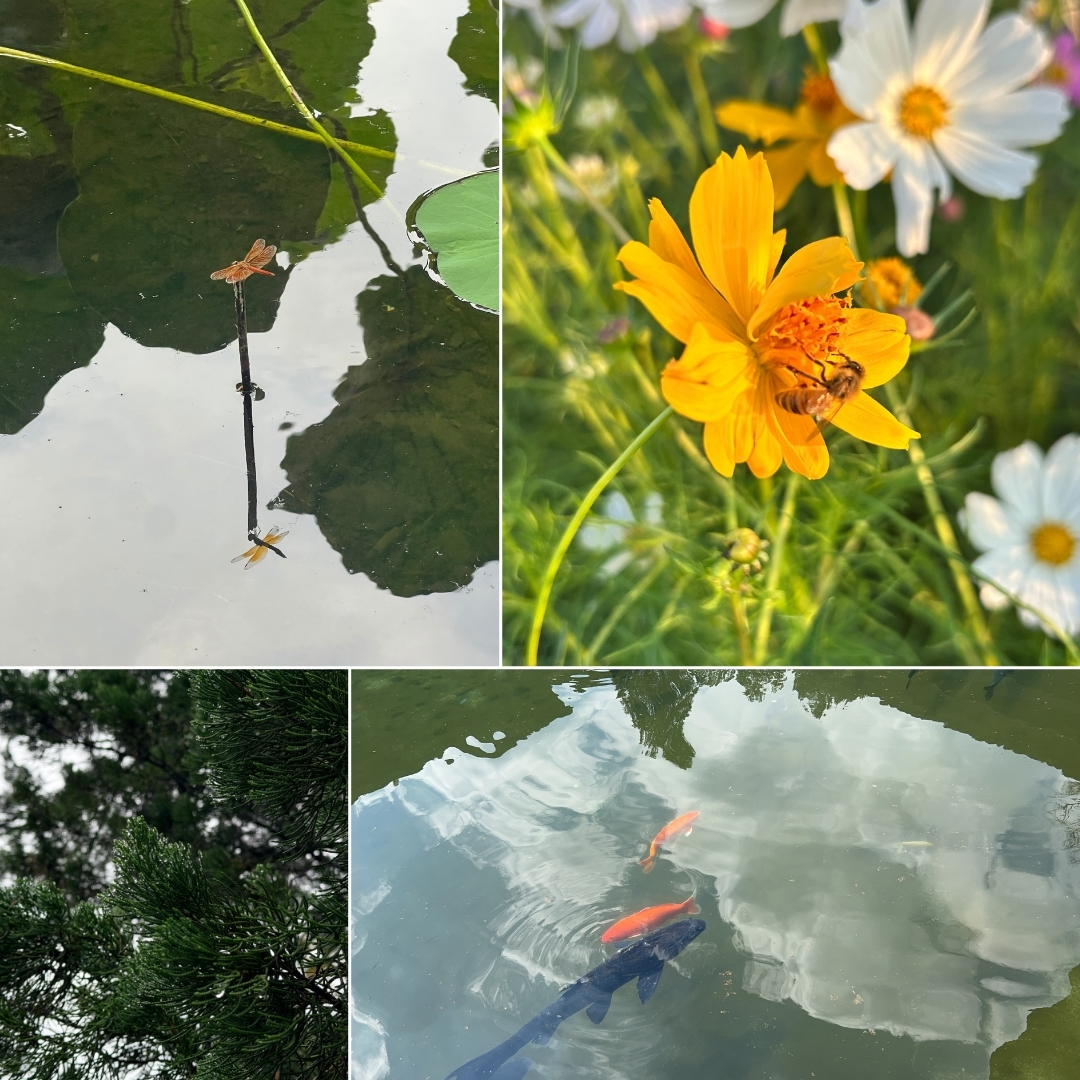
But Molly doesn’t just observe nature when she’s out cycling or exploring–she records it. Her camera roll is filled with snapshots of insects, plants, and birds she’s encountered. She pauses before clarifying: “I’m not photographing for art–I’m documenting.” Driven by a desire for deep understanding, she wants to learn about everything she encounters–their names, habits, songs, and more.
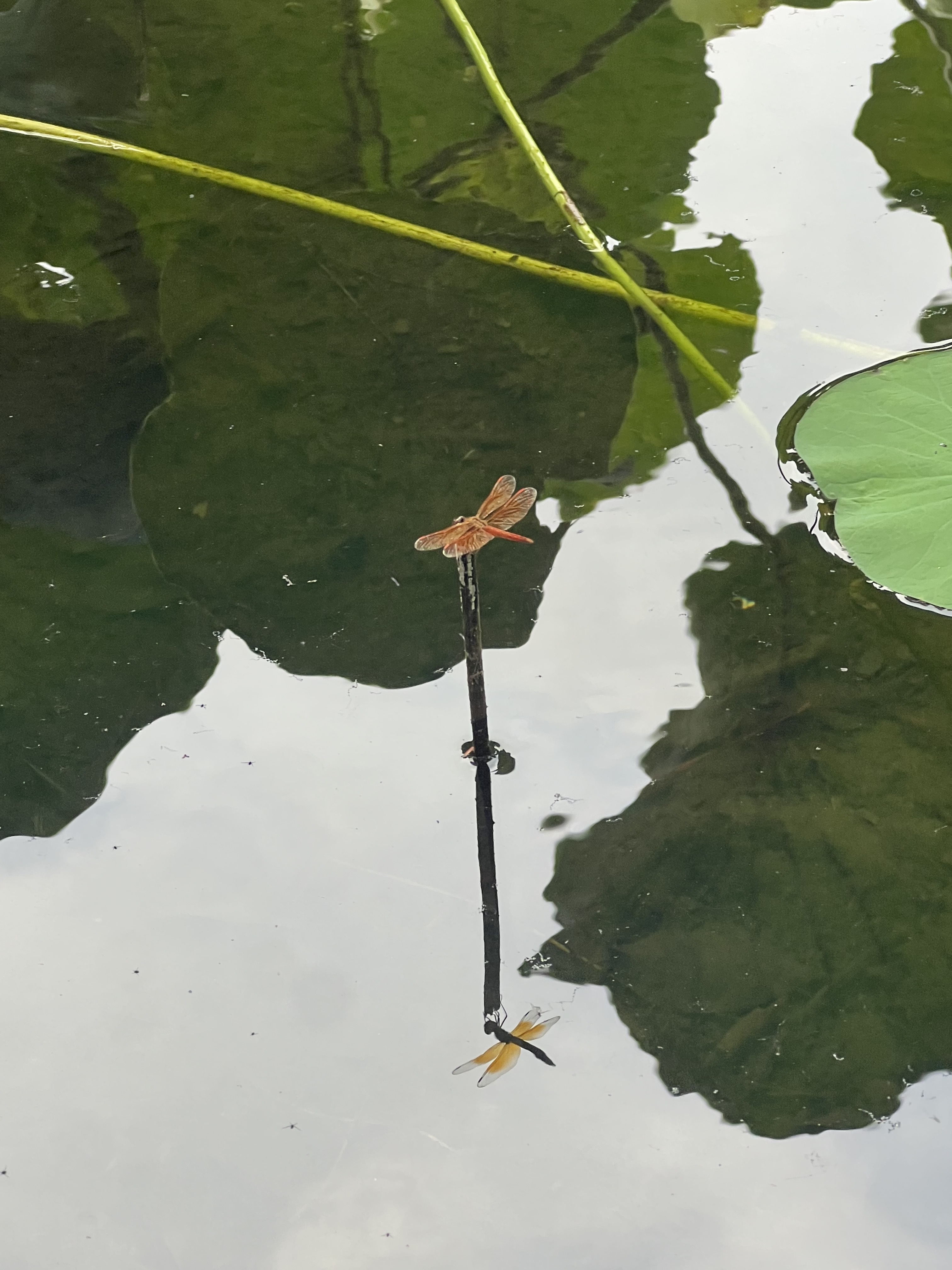 Her photo of a fiery Ditch Jewel dragonfly shows that best. On one of her regular bike rides around the lake, Molly noticed a flash of red and stopped to follow it. She crept closer, snapped the picture, and then the wind picked up, shaking the lotus leaves over the water. Yet, in the middle of all the movement, the dragonfly stayed still. For Molly, it was a “small anchor of calm.”
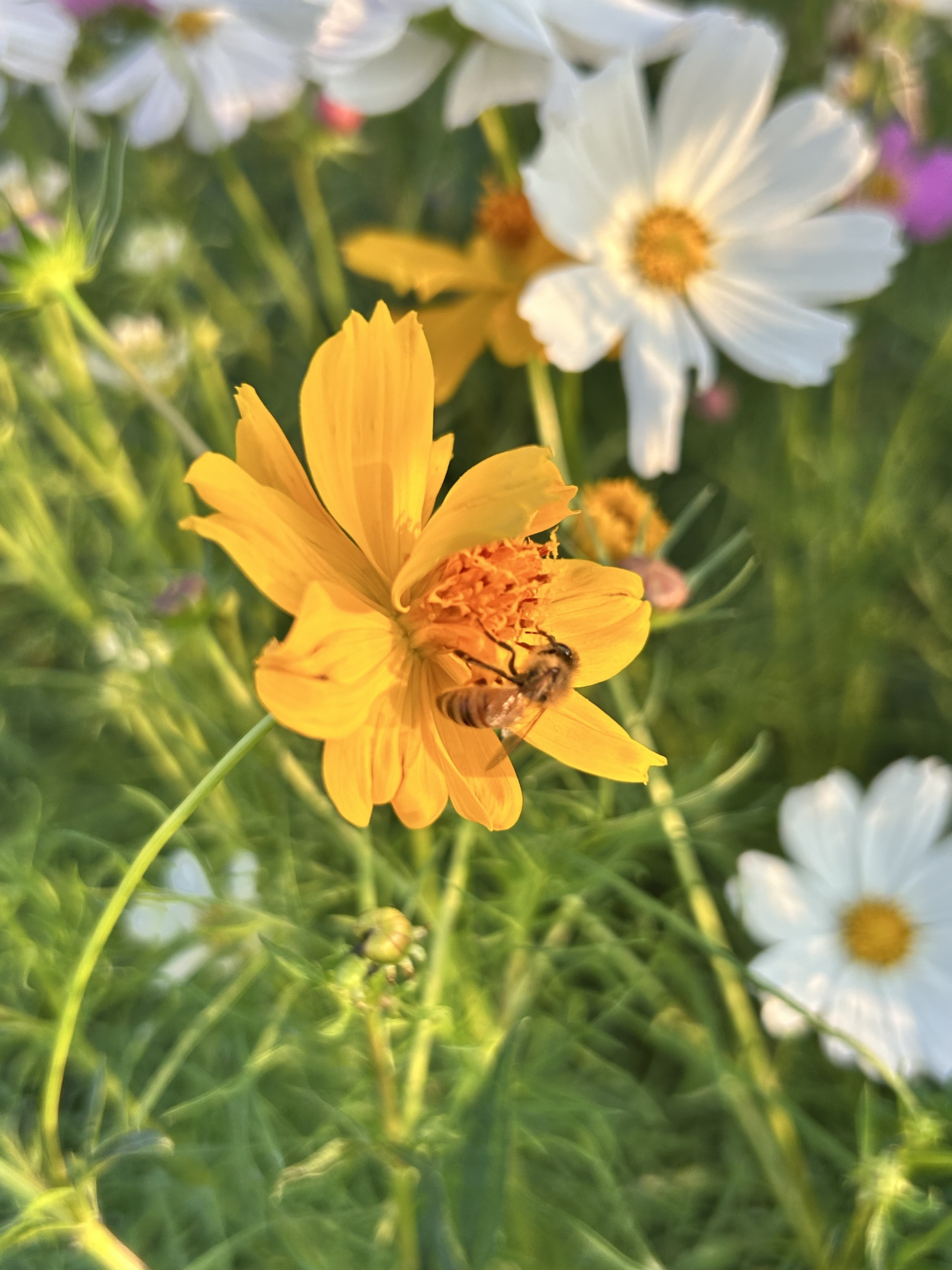
Molly’s attention to detail is a throughway in all her work. In another photo, an Asian honey bee–smaller and more vibrantly banded than its Western cousin–hovers just above a bloom, a moment of motion frozen in time. Molly’s shot of Amur Carp swimming alongside Grass Carp offers a lesson in ancestry: “The bright red Amur Carp, native to China, is actually the wild ancestor of koi!” And then there’s the Chinese Juniper, captured in the rain, beaded with droplets of water that look like tiny crystals.
Her latest obsession? Birdwatching. “It’s way harder than people think,” she laughs. She’s learning that success in birdwatching–much like in life–doesn’t come from perfect conditions or instant results. Through this hobby, Molly receives a masterclass in patience and presence. When asked if she could sum up her advice, Molly paused, then said, “start with curiosity rather than high expectations. Use tools that help, like bird recognition apps, and don’t be afraid to get dirty. That’s part of the fun.”
But her love for nature isn’t just a hobby. It’s a thread that runs through Molly’s academic, service, and personal life. It’s what inspired her to help plant a milkweed garden to support monarch butterfly migration in Connecticut, and also travel to Puerto Rico to rebuild a community center damaged in a devastating hurricane. As she reflected on her work there, she recalled the beauty that surrounded her: “the skies were beautiful, and the frogs made a sound that sounded like ‘cookie, cookie.’ It was magical.”
.jpeg) Even her earliest memories are rooted in nature. As a child, she hiked through the rainforest in Yunnan and she “adopted” a tiny pineapple, caring for it with the respect and responsibility for breathing life. It’s a memory that speaks to more than childhood play. It reveals how early experiences in nature can shape a lifelong sense of curiosity and reverence.
Even her earliest memories are rooted in nature. As a child, she hiked through the rainforest in Yunnan and she “adopted” a tiny pineapple, caring for it with the respect and responsibility for breathing life. It’s a memory that speaks to more than childhood play. It reveals how early experiences in nature can shape a lifelong sense of curiosity and reverence.
The instinct to observe, to care, and to find meaning in the natural world still guides her today, whether she’s photographing insects, identifying birds, or planning her next solo hike. It has even shaped her goals for the next academic chapter, in which she hopes to study environmental science.
In a world that often pushes us to do more and move faster, Molly–and her beautiful work–invites us to slow down, look closer, and find meaning in the little details or creatures around you. So, next time you log off from class, don’t linger on a screen. Try looking out a window. Step outside if you can. You never know what you might notice or what you might learn just by being present.

.jpg&command_2=resize&height_2=85 "🎓 Class of 2026: Commencement Speaker!")


-8.jpg&command_2=resize&height_2=85 "Riffs and Rising Talent: Theo's Musical Journey")





.jpeg&command_2=resize&height_2=85 "From Coding to Choreography: A Self-Made Path")